BUILD MIDDLE HOUSING.
NOT TOWER HOMES.
Join us for a free Community forum where we will explore Seattle’s growth and densification history, the current One Seattle Plan and its impacts on Seattle’s urban tree canopy, property taxes, housing affordability. There are ways to deliver densification without destruction and displacement; affordability without axing the mature tree canopy; and ways you can help keep Seattle, well, Emerald.
ReVision Seattle 2.0
November 9th, 7:00PM - 8:30PM
Maple Leaf Lutheran Church - 10005 32nd Ave NE
Read SRTG’s latest report:
Legislating for Luxury
How Seattle turned a middle housing bill into a giveaway for luxury developers.
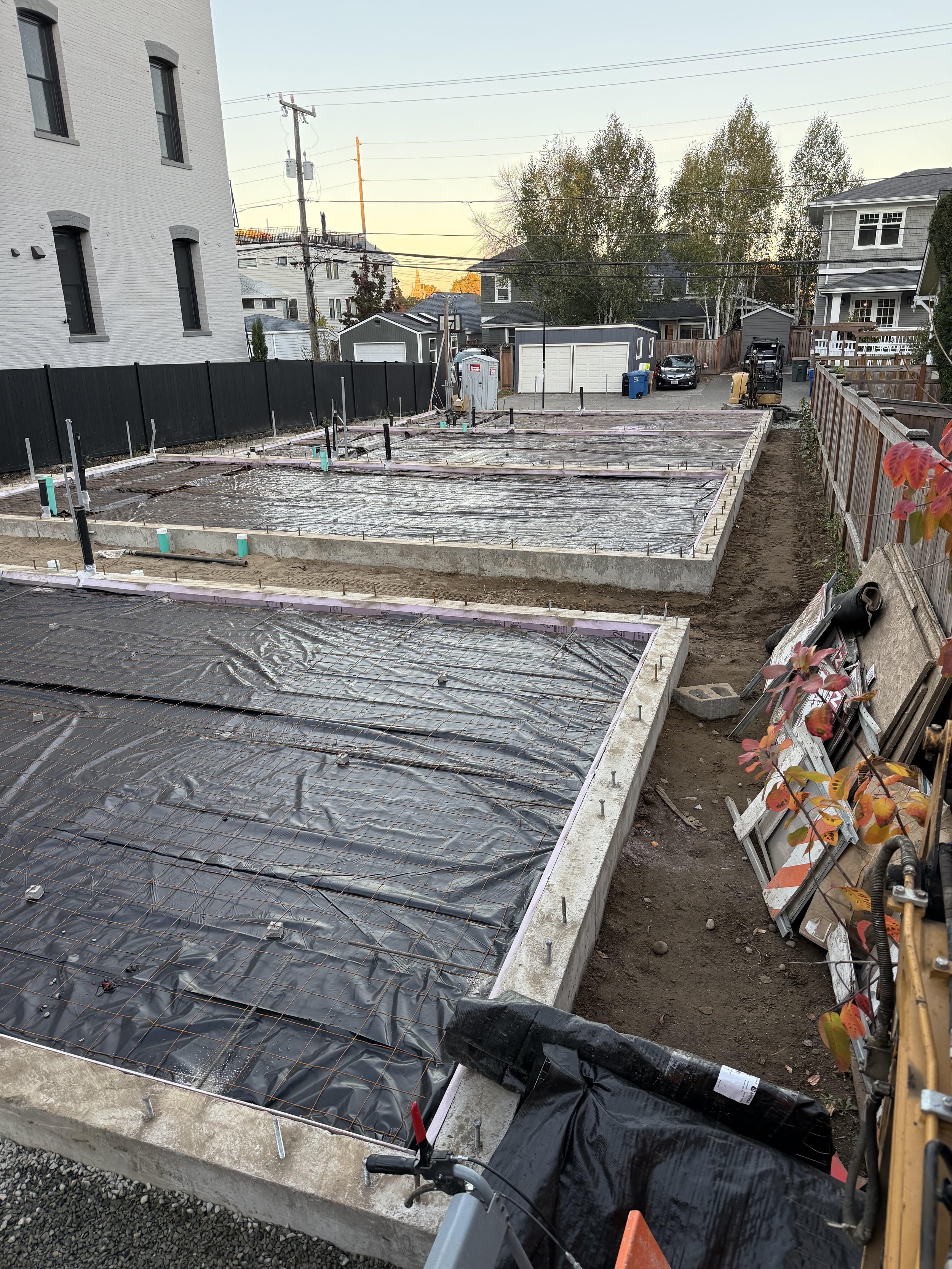
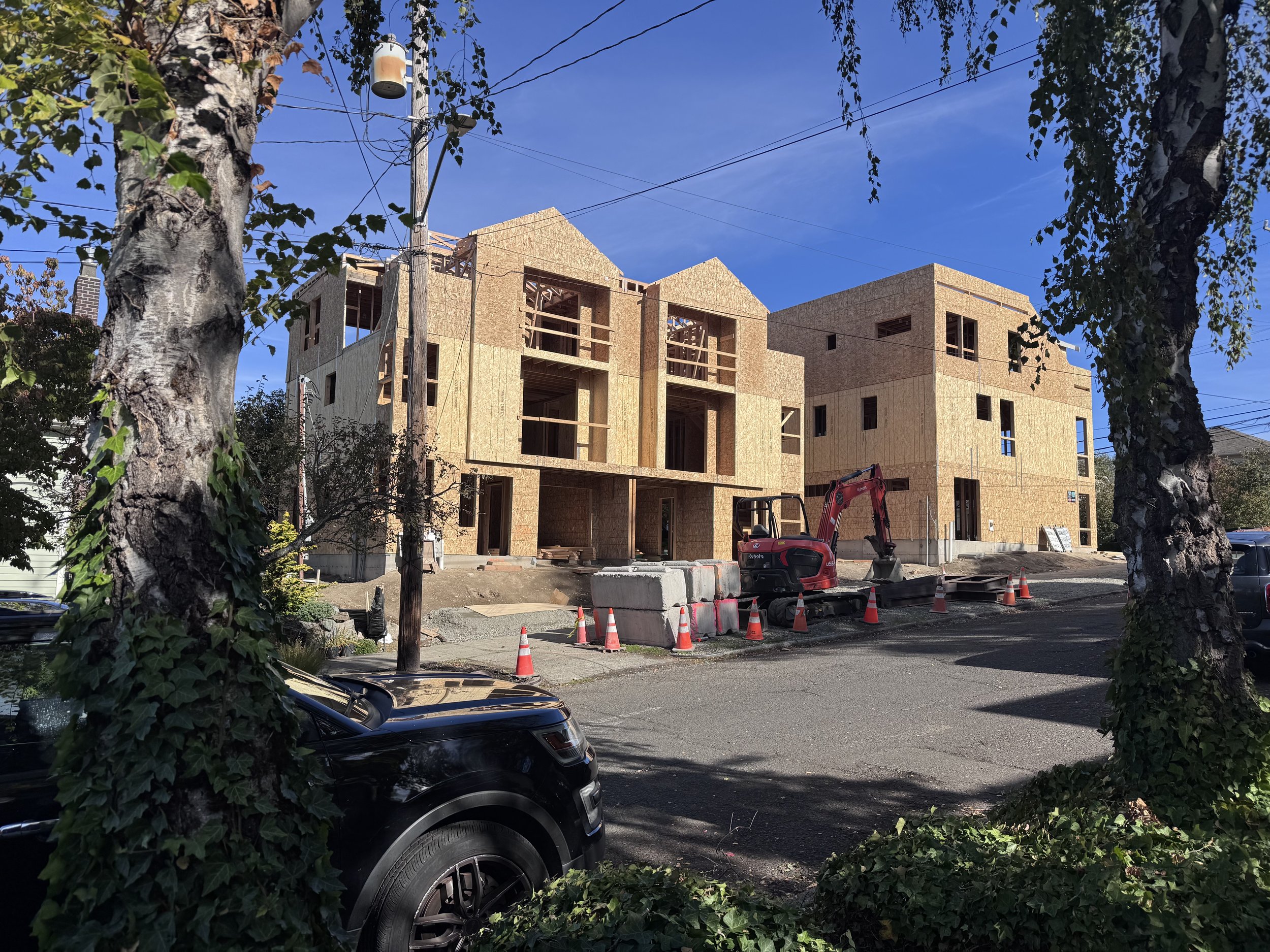
The city promised residents nine forms of smaller, attached, more affordable housing under HB 1110. Then it legislated for the one form that wasn’t on that list, which happens to be the most profitable: the single-family home. That’s what developers are building.
Of the 1,138+ new homes built after a teardown, 67% are luxury homes, with an avg square footage of 1,700—that’s 37% larger than new homes built just 2 years ago. Since size determines price, likely future prices for these homes will be proportionately higher.
MISSION
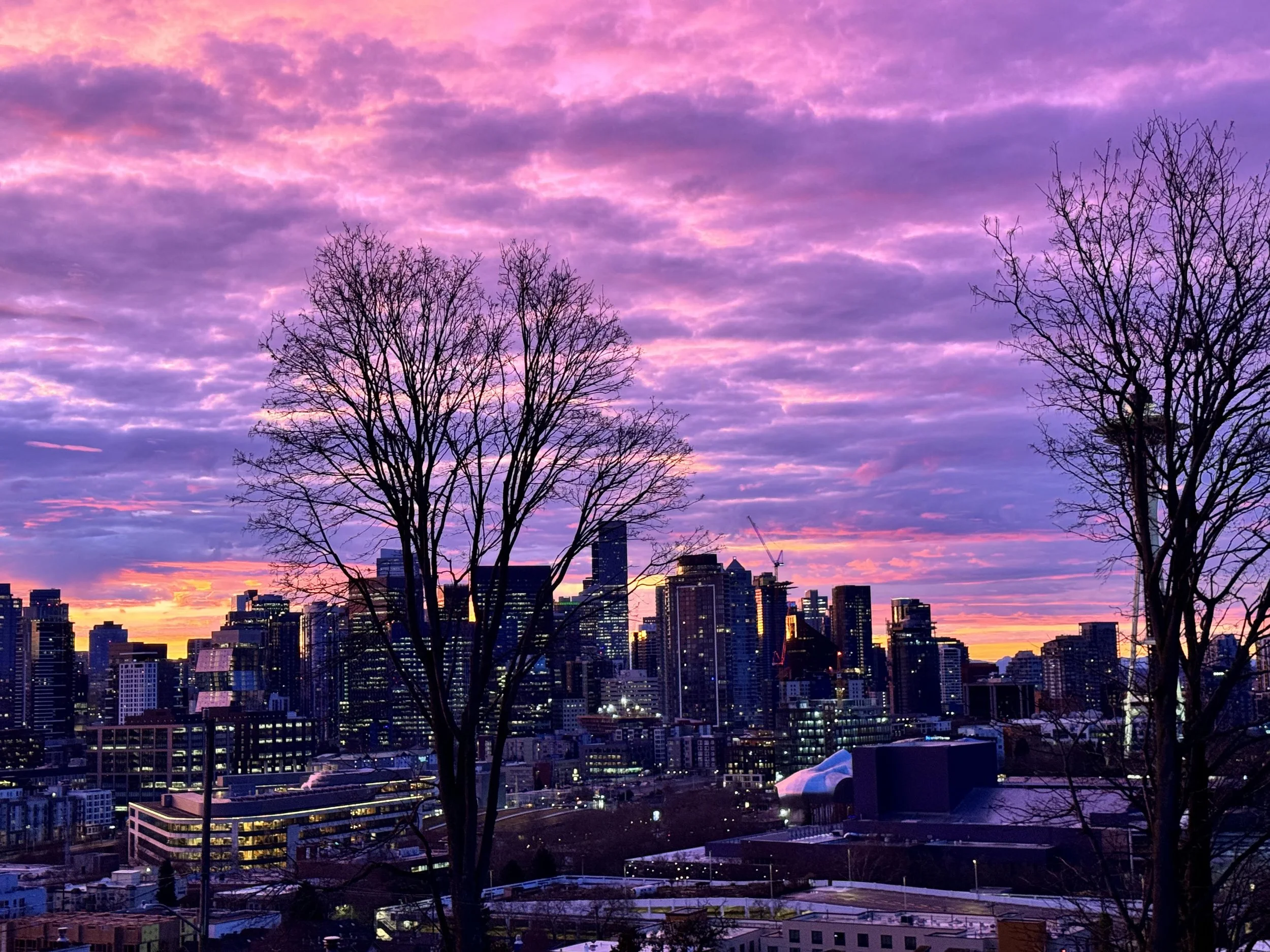
A growth strategy for Seattle that results in housing attainable to middle income households, protects the environment, and supports livable neighborhoods.
WHO WE ARE
We represent over 30 Seattle neighborhoods that advocate for legislation that encourages smaller, more affordable market-rate housing that working- and middle-income families can afford. Seattle's growth strategy must prevent displacement, protect the environment, preserve livability, and ensure growth is supported by funded infrastructure. We also advocate for upzoning strategically, rather than blanket upzoning, and taking steps to reduce inflating land values/speculation.
Empirical evidence shows that upzoning and land speculation increase land values, making new market-rate housing out of reach for working- and middle-income families. The One Seattle Plan is legislating upzoning that encourages larger luxury homes and demolition of naturally occurring affordable housing (NOAH), with the belief that trickle-down economics will make that housing affordable, eventually, to middle-income families. SRTG believes we can create affordable housing while we grow through legislation that preserves NOAH, encourages low impact conversion development (LID Conversions), develops grey zones, limits hotel-like short-term rentals in neighborhoods, and incentivizes for commercial-to-residential conversions.
State Mandate: Build Middle Housing,
not Tower HOMES anD LARGE, EXPENSIVE SINGLE FAMILY HOMES
Washington’s HB1110 upzones every lot in its largest cities from “single family home” designation to multi-family zoning, with up to 4-6 homes depending on its size and proximity to transit. Why? To grow middle housing, which the state defines as: “compatible in scale, form, and character with single-family houses and contain two or more attached, stacked, or clustered homes including duplexes, triplexes, fourplexes, fiveplexes, sixplexes, townhouses, stacked flats, courtyard apartments, and cottage housing.” Source: HB1110, lines 32 - 35
In late 2025, Seattle City Council approved the Seattle version of HB1110, which in addition to the basic requirements, grants developers the opportunity to build homes with greater lot coverage, taller heights, and smaller setbacks. Because of the generous entitlements given to developers, we’ve seen this result in teardowns of homes (many were duplexes and triplexes), and building multiple detached $1M+ single-family “tower homes” standing on 1,250 sq ft of land. We also see huge luxury single family homes taking advantage of legislation meant for multiple families. Phase 1, as this is known, does not align with the spirit or intent of Middle Housing.
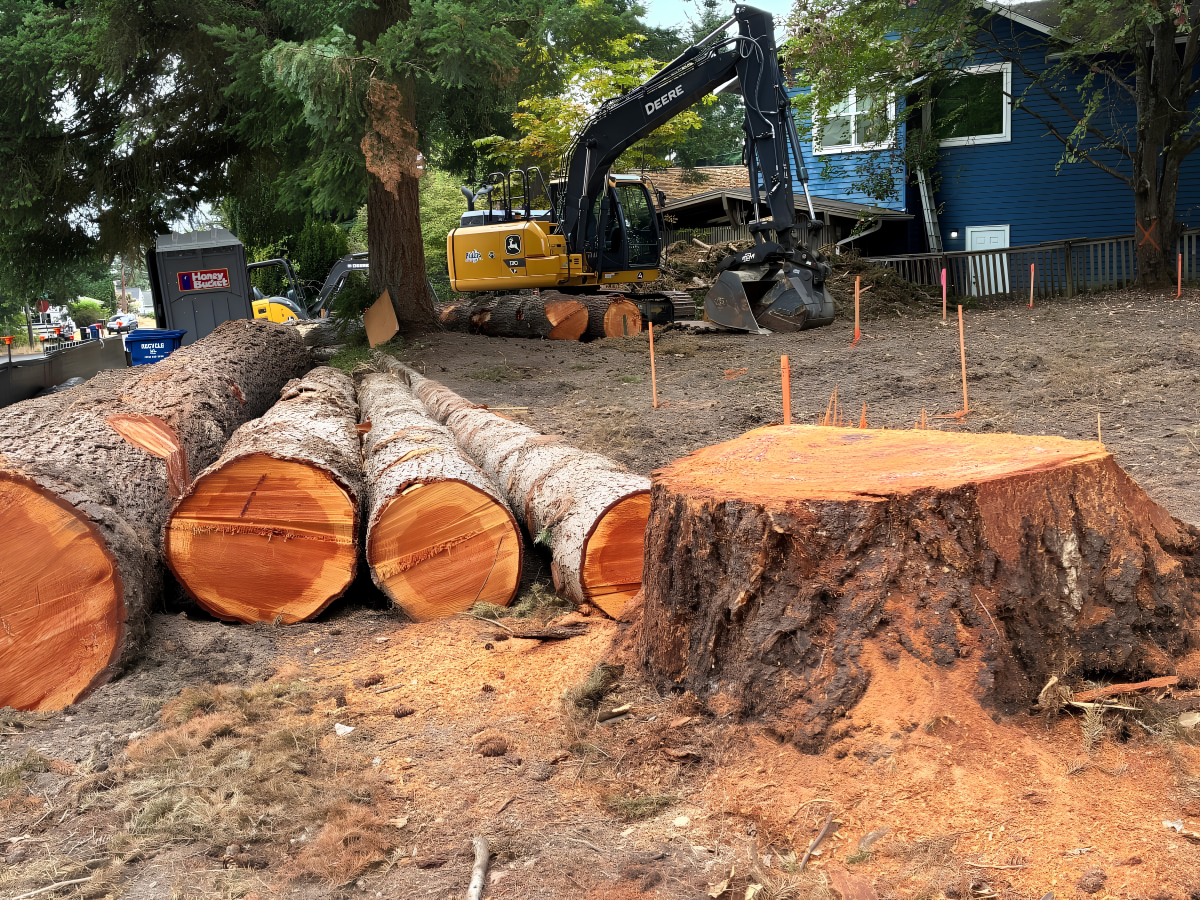
When developers replace older, modestly priced homes with luxury units, they eliminate existing Middle Housing, erase tree canopy, and drive up land values. Working families seeking housing are left with even fewer options.
If we continue down this path, we risk accelerating the destruction of true Middle Housing—ironically, under the banner of creating it.
SMART CitiES LEGISLATE,
NOT JUST HOPE FOR,
THE HOUSING THEY WANT TO SEE
Vancouver “went big” with their plan, and tripled its housing stock in hope of driving down costs. After growing more than any other city in North America, Vancouver is now the 3rd least affordable city in the world, sharing the “most expensive city” podium with Sydney and Hong Kong. Renowned professor and growth strategist Patrick Condon, author of Broken City, shows how foreign investment and speculation, which increased the cost of land, were at the root of the exacerbated affordability problem. Condon now speaks out on how “Abundance” is a fallacy in housing.
Portland literally “went small” with their plan, focusing upzoning with affordable density as the explicit, intended outcome. They did this by only allowing the building of affordable density types (attached, smaller homes). It resulted in affordable density, and on average, housing prices have gone DOWN. Let’s learn from what they did: See article
Bellingham realized that given the choice, developers would build McMansions instead of multifamily housing. They had to issue a one-year moratorium on permits for single family homes within multifamily housing-zoned areas. The details may differ—but the point remains: as with Portland, legislate what you want to see.
FALSE NARRATIVES: NOW AVAILABLE IN BOTH WASHINGTONS
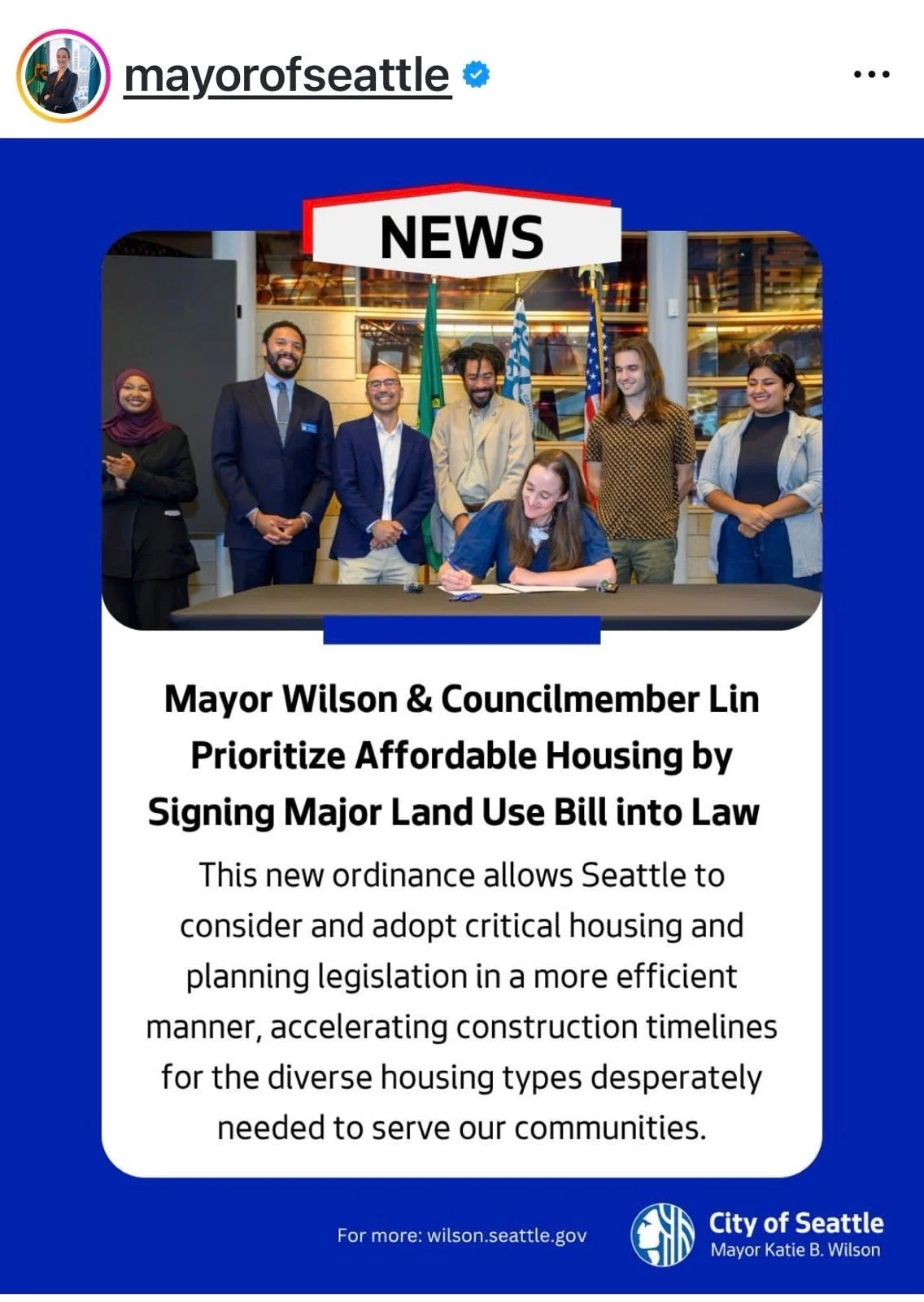
The Mayor’s self-proclaimed “NEWS” post leaves out a rather important part of the story. Claiming that eliminating our rights to accessible environmental appeals will result in building houses faster is like firing the referee and then creating a “NEWS” post, “Great news: the game will move faster.”
SRTG advocated for the amendment that proposed new measures to expedite the appeals, so they can be heard without slowing down the legislative process.
CASE STUDY: In the most recent appeal, after spending 10 months working with OPCD and Council to correct the Environmental Impact Statement, the appelant filed an appeal with the Hearing Examiner. The delays were a result of the processes in the City Attorney’s office’s process, which can be improved. The appelant simply followed the process.
CB121215 does not build affordable housing. It eliminates a long-standing avenue for Seattle residents to appeal certain land-use decisions to the independent Hearing Examiner. When the Council considered the legislation, Councilmember Debora Juarez explained why she could not support it:
“I don’t believe that appeals are holding up housing production. I think it’s a false narrative. I think it’s a false equation.” - CM Juarez
While Lin described appeals as being “weaponized” against development, Council Central staff shared this data:
28 appeals in 10 years. Fewer than 3 a year.
25 dismissed or withdrawn.
3 appeals resulted in a decision being overturned or sent back for correction.
“I cannot make the connection between, or the unequivocal statement, that the appeals stop housing production. I just don’t believe that that’s true.” - CM Juarez
Juarez called the legislation “a solution looking for a problem” and defended the Hearing Examiner as an independent safeguard. Frivolous appeals get turned away, and important errors in environmental statements would be taken seriously:
“That’s why we have a Hearing Examiner.” - CM Juarez
And ultimately:
“I have to err on the side of more (people’s voice). Because that’s due process, and that’s what the people want.” - CM Juarez
Mayor Wilson is entitled to support eliminating this appeal right. But Seattle residents are entitled to be told what was eliminated, and to see the evidence for the claim that doing so will accelerate housing construction. Calling this simply a measure to “prioritize affordable housing” does neither.
Read CM Juarez’s full statement here. Watch the Councilmember comments towards 3:30hrs in this video: Full July 28 Council video
NEWS / RESOURCES

SEATTLE ZONING MAPS FOR PHASE 2 (CENTERS ONLY)
Seattle’s history shows why zoning appeal process matters | OpEd, Lois Martin - July 21,2026
Seattle an enviro city? Doesn’t seem that way at City Hall | The Seattle Times July 20, 2026
Ezra Klein needs to look more closely at his housing chart -CEPR Nov 2025
Seattle likes its eco-friendly cred. But housing plan hides dark truths - Orca Appeal - May 24, 2026
On being called a NIMBY: A word about that word by Lois Martin
Seattle Times: No more closed-door City Hall meetings on Seattle growth strategies - May 8, 2026
Seattle Times: More Concrete, Less Green: A Cautionary Tale about upzoning from South Park - Jan 2026
KNKX: Environmental advocates want more scrutiny of Seattle's development plan March 2026
Washington’s Missing Middle Housing Bill Misses the mark March 2026
Seattle growth plan lacks creativity: How to repair it Sept 2025
Amazon pledged to support affordable housing. How has it fared? - Sept 2025
Make it One Seattle, full of trees, in Comprehensive Plan - Sept 2025
Seattle’s Affordable Housing System is Crumbling, and Roots to Roofs- Aug 2025
Over 30 Seattle organizations and neighborhood groups agree: Seattle can do better. The City’s HB1110 Permanent Legislation, which applies to every single-family lot in the city, unnecessarily shrinks setbacks, raises roof heights, and expands lot coverage—changes that will fast-track demolition and large-scale redevelopment across neighborhoods – to the benefit of developers and investors and to the detriment of affordable Middle Housing, current residents, and the environment. There are many examples of middle housing in Seattle today that respect the scale, character, and tree canopies of their neighborhoods – the true intent of HB1110. Let’s do more of that!
Capitol Hill | Central District | Columbia City | Green Lake | Greenwood | Haller Lake | Madison Park | Madrona |
Magnolia | Maple Leaf | Montlake | Mt Baker | Phinney Ridge | Queen Anne | Tangletown | Wallingford |
Washington Park | Wedgwood | West Seattle – Fauntleroy | West Seattle - Seaview/Fairmount | Whittier Heights
Take action today
Write to your Council Member (email list here), as well as at-large Council Members.
Ask a question? info@seattlethoughtfulgrowth.org
Press/ media inquiries: press@seattlethoughtfulgrowth.org